
Defective Medical Device Lawsuits I Louisville, Kentucky
A medical device implanted in your body or used in your care should not make you worse.
When one does, the law provides a path to accountability. Defective medical device cases are among the most complex in product liability law. They involve federal preemption questions, FDA regulatory records, and highly technical expert analysis. Chandrika Srinivasan’s scientific background and Michael Hance’s four decades of trial experience give Hance & Srinivasan the depth these cases require.
No Fee Unless We Recover · Free Case Review · No Obligation
- AV PREEMINENT™ MARTINDALE HUBBELL Highest Peer Rating
- SUPER LAWYERS® KENTUCKY SUPER LAWYERS Multiple Years
- 40+ YEARS TRIAL EXPERIENCE Kentucky Courts
- ~100% REFERRAL CLIENT BASE Word of Mouth
Defective Medical Device Lawsuits Overview
Device manufacturers spend enormous resources defending these defective medical device claims.
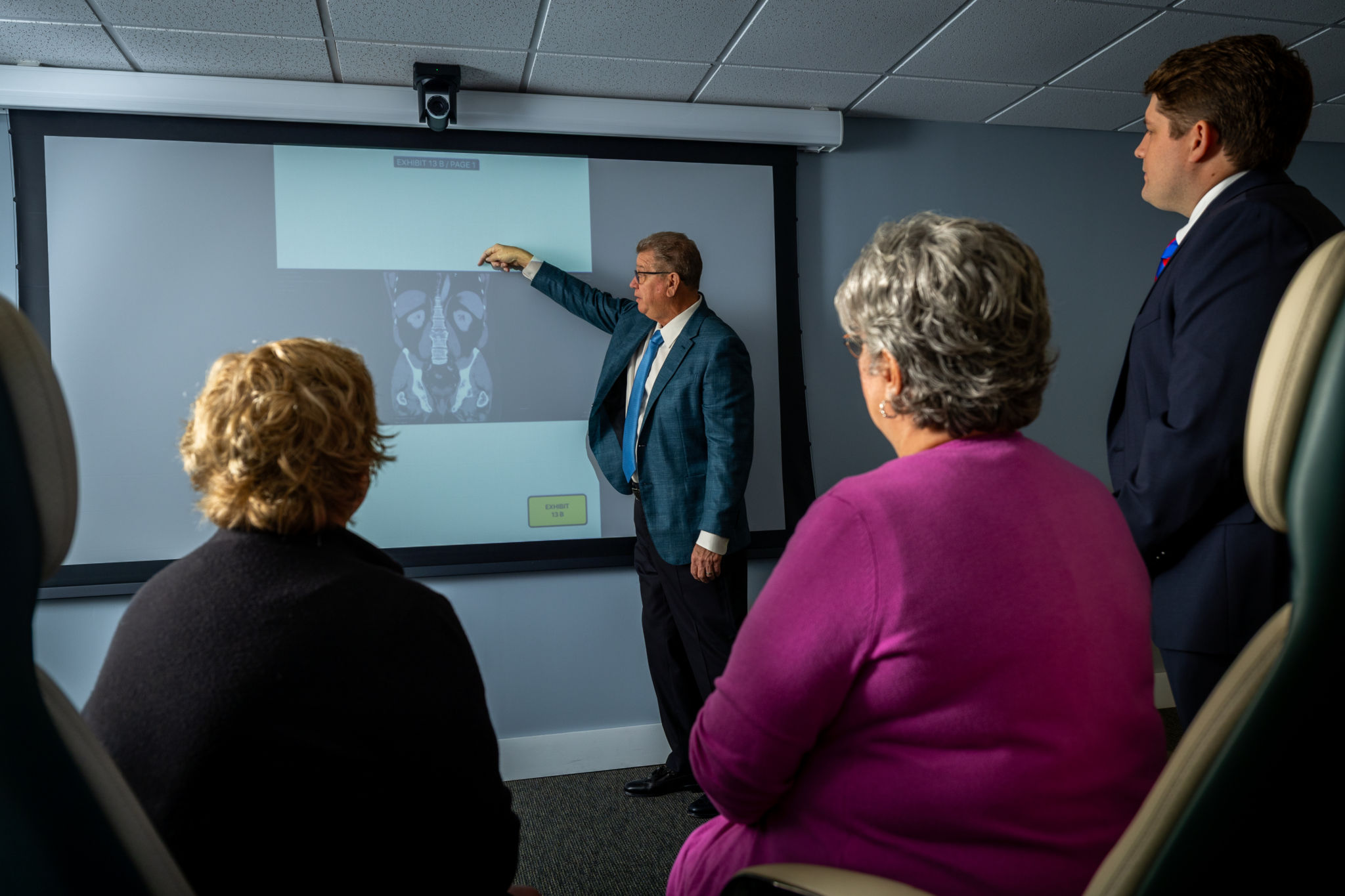
FDA approval is frequently used as a shield. Navigating this area requires experience in scientific methods and legal expertise that we possess. When a medical device causes harm, the manufacturer’s first defense is often that the device received FDA approval or clearance, and that federal law therefore preempts the patient’s state law claims. This defense is real and must be addressed strategically. However, it is not absolute. Manufacturing defects that deviate from the approved design, parallel claims tracking violations of FDA regulations, and claims involving devices that received only 510(k) clearance rather than full premarket approval may all survive preemption. Identifying the right theory requires someone who understands both the science of the device and the legal framework that governs it.
“FDA approval means the device was evaluated. It does not mean the manufacturer built it correctly, warned adequately, or told the FDA the truth. Those questions are still open. ”
What Clients Say
People who trusted us when it mattered most.
“I am very glad my family and I went to the Hanse and Srinivasan law office and I strongly recommend them. During the hardest time for our family, Mr. Hanse really cared about us and made us feel at ease. He was professional, kept us informed and answered our many questions throughout the whole process. I am very grateful for all his hard work and for the positive outcome of our case.”
- ⭐️⭐️⭐️⭐️⭐️ Verified Google Review
What happens when you call
From auto wrecks to malpractice and wrongful death, we handle complex cases with focus, care, and precision.
-
1
You Tell Us What Happened
A free, confidential consultation. No paperwork. No commitment. We listen to your story and ask the questions that matter.
-
2
We Give You an Honest Assessment
We will tell you what we think your case is worth, whether we are the right firm for it, and what we would do to pursue it. No spin.
-
3
We Go to Work. You Pay Nothing Unless We Win
We advance all costs. Our fee comes from the recovery. If we do not win, you owe us nothing. No promises. That is simply how we work.
Start Here
Your case review is free. The call costs you nothing.
We review every case personally. If we take it, we handle it completely. If we do not think we can improve your outcome, we will tell you that honestly.
- No Fee Unless We Recover
- Free Case Review
- No Obligation
- 40+ Years of Trial Experience
- ~100% Referral Based Practice
Know Your Defective Medical Device Lawsuits Rights
Kentucky defective medical device law in plain language.
If you have been injured by a defective medical device, the sooner we can evaluate your situation, the more options you have. If we take your case, we handle it completely. If we do not think we can improve your outcome, we will tell you that honestly.
Your Right to Pursue Claims That Survive Federal Preemption.
FDA approval or clearance does not extinguish all state law claims. Manufacturing defect claims based on deviation from the approved design, parallel claims grounded in violations of specific FDA regulations, and claims involving 510(k)-cleared devices all have meaningful pathways through preemption. The strategy depends on the specific device, the regulatory pathway, and the nature of the defect. An attorney with scientific depth can assess which theories survive.
Your Right to Hold the Physician and Hospital Accountable Alongside the Manufacturer.
If the surgeon who selected or implanted the device deviated from the standard of care, or if the hospital credentialed a surgeon not qualified to perform the procedure, those parties face independent malpractice liability. Device injury cases often involve overlapping product liability and medical malpractice claims, and identifying all liable parties is essential to full recovery.
Defective Medical Device Questions
-
Not necessarily. While FDA premarket approval of Class III devices may preempt some state law claims under Riegel v. Medtronic, manufacturing defect claims based on deviation from the approved design are generally not preempted. Devices cleared through the 510(k) process have significantly less preemption protection. And where the manufacturer violated its own FDA-approved specifications or concealed information from the FDA, additional claims may survive. The preemption analysis is device-specific and requires careful legal and scientific assessment.
-
Not automatically. A recall, especially a Class I recall, is significant evidence that something was wrong with the device. However, establishing a viable claim still requires proving that the specific defect causing the recall is what caused your injury, and that the manufacturer’s conduct gives rise to liability under the applicable legal theory. The recall frames the investigation but does not complete it.
-
You do not need to have had the device removed to pursue a claim, but explantation may ultimately be necessary for your health.
-
Possibly. Where a defective device has injured many people, federal courts sometimes consolidate claims into multidistrict litigation. Whether joining consolidated litigation or pursuing an individual claim is the better strategy depends on the nature and severity of your injury, the status of the litigation, and the specific facts of your case. An attorney can assess which approach maximizes your recovery.
-
You may recover all medical expenses including corrective surgery and ongoing treatment, lost wages, reduced earning capacity, pain and suffering, and emotional distress. Kentucky permits punitive damages in product liability cases under KRS 411.184 where the defendant’s conduct constitutes oppression, fraud, or malice. In cases where a manufacturer knew of a defect and continued to sell the product anyway, or concealed the defect from regulators and the public, a punitive damages claim may be viable.
-
Chandrika Srinivasan’s Ph.D. in Pharmacology and Toxicology gives her the scientific foundation to engage with biomedical device evidence, FDA regulatory submissions, and clinical literature at a level most attorneys cannot. The preemption analysis that determines whether a device case is viable requires someone who understands the science of what the FDA approved and whether the manufacturer deviated from it. That is not a common skill set. Michael Hance brings over 40 years of trial experience. The firm takes cases selectively and handles them personally.
Further reading
-
Falls in Hospitals: Why Fall Prevention Matters
A patient in the hospital is often sick, weak, taking new medications, recovering from surgery, or in unfamiliar surroundings. Something...
-
Warning Signs You May Have a Medical Malpractice Claim in Kentucky
A bad medical outcome is not automatically malpractice. Malpractice happens when a provider fails to meet the accepted standard of...
We represent clients throughout Kentucky.
- Louisville
- Lexington
- Bowling Green
- Northern KY
- Owensboro
- Statewide
Referring an attorney?
We work with referring attorneys throughout Kentucky. All referral arrangements comply with Kentucky Bar rules.
Contact About a Referral